ACT for OCD: What It Is and How It Helps

Summary


Acceptance and Commitment Therapy (ACT) teaches you skills to make room for difficult thoughts and feelings and take values-based action—even when OCD shows up. Instead of trying to eliminate intrusive thoughts, you learn to relate to them differently (less struggle, more choice). ACT often pairs beautifully with Exposure and Response Prevention (ERP).


Why ACT for OCD ?


OCD pushes you to chase perfect certainty and comfort. The chase (compulsions, avoidance, reassurance) eats time and shrinks life. ACT builds psychological flexibility—the capacity to stay present, open up, and move toward what matters, with or without anxiety.


Psychological flexibility grows through six teachable processes (the “hexaflex”):


  1. Present-moment awareness – noticing what’s happening right now
  2. Cognitive defusion – seeing thoughts as thoughts, not facts or commands
  3. Acceptance – willing to have inner experiences without unnecessary struggle
  4. Self-as-context – the perspective that notices experiences without being overwhelmed by them
  5. Values – clarifying who/what matters to you
  6. Committed action – taking small, consistent steps guided by values


ACT vs. ERP (and why they work well together)


  • ERP targets the behavioral loop of OCD: you face a trigger and don’t do the ritual.
  • ACT targets your relationship with inner experiences: you can feel anxiety/uncertainty and still choose your values.
    Together: ACT skills help you
    show up for ERP and stick with response prevention without turning coping strategies into new rituals.


What does an ACT-informed OCD session look like ?


  1. Map the struggle: what you’ve tried (rituals, checking, mental review), what it costs you, and what you care about.
  2. Skill practice: brief exercises in noticing, defusion, and willingness.
  3. Values check: identify 1–2 directions that matter (e.g., presence with family, creative work, integrity).
  4. Tiny commitments: 5–15 minute actions aligned with values that you can do with discomfort present.
  5. (When combined with ERP): we design exposures and use ACT skills to carry them out without rituals.


Core ACT skills for OCD (with quick exercises)


1) Present-moment awareness


Why: OCD pulls you into future “what ifs” or past review.
Try this (1 min): Name 5 things you can see, 3 you can hear, 2 you can feel on the skin. Then ask: “Given this moment, what’s the next small helpful step?”


2) Cognitive defusion


Why: Fused with a thought = you treat it as a fact.
Try this (30 sec): Prefix the intrusive thought with, “I’m noticing the thought that…” Repeat it slowly, even in a silly voice. Notice the urge drop a notch.


3) Acceptance (willingness)


Why: Fighting anxiety tends to amplify it.
Try this (2 min): Breathe into the area of tightness. On the out-breath: “Make space.” Let sensations come and go while you stay where you are.


4) Self-as-context


Why: You’re more than today’s spike.
Try this (30 sec): “I’m the person noticing this thought and this urge.” Imagine sitting on a riverbank as thoughts float by.


5) Values


Why: Values give you a compass when certainty is impossible.
Try this (3 min): Pick one domain (relationships, health, learning, service). Write one sentence: “In this area, I want to be the kind of person who…”


6) Committed action


Why: Life expands through small, reliable steps.
Try this (5–15 min): Do one values-aligned action while allowing the intrusive thought to be there (e.g., read with your child even if doubt is present; send the email without rereading 10 times).


How ACT reduces compulsions (without arguing with content)


  • You notice the obsession and urge (present-moment)
  • Name it as a thought/feeling (defusion)
  • Allow the discomfort (acceptance)
  • Choose a step that serves your values (committed action)
    Repeat consistently: the thought loses power, and your life grows around it.


Examples by OCD theme


Checking OCD


  • Defusion: “I’m noticing the thought that the door might be unlocked.”
  • Willingness: “Anxiety can ride with me.”
  • Action: Lock once, leave, drive to work.


Contamination OCD


  • Defusion: “Here’s the thought: ‘Germs!’”
  • Willingness: “Let the ‘gross’ feeling sit in my hands.”
  • Action: Prepare lunch before washing.


Harm/Taboo Intrusions


  • Defusion: “Mind is showing a scary image.”
  • Willingness: “I can feel fear and stay kind.”
  • Action: Sit with loved one and keep talking (no mental review).


What progress usually looks like


  • Weeks 1–2: Learn skills; identify values; make 5–10 minute commitments.
  • Weeks 3–6: Less time arguing with thoughts; more action despite them.
  • Weeks 7–12: Greater flexibility; OCD intrusions feel louder some days, but control of your actions keeps growing.


FAQs


Does ACT replace ERP ?


No, they can work together. Many benefit most from
ACT + ERP. ACT improves tolerance of uncertainty; ERP retrains ritual behavior.


Will ACT get rid of intrusive thoughts?


Intrusions happen to all brains. The aim is
freedom to live well whether they show up or not.


Can ACT help if I have lots of mental compulsions?


Yes—defusion and willingness specifically target internal rituals like analyzing, reviewing, or silent reassurance.
By Aaron Van Beilen December 7, 2025
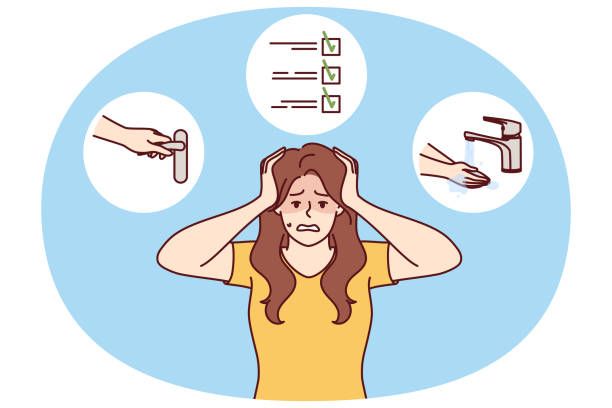
Checking OCD is one of the most common and stressful subtypes of Obsessive-Compulsive Disorder. Many people across Ottawa, from Kanata to Orleans to Centretown, struggle with severe checking habits that interfere with daily life. While everyone re-checks things occasionally, Checking OCD goes far beyond normal caution—it becomes a cycle of fear and compulsive checking that feels impossible to stop. If you're looking for Checking OCD treatment in Ottawa or wondering whether your checking habits are a sign of OCD, this guide explains what Checking OCD is, how it affects people, and how specialized treatment in Ottawa can help. What Is Checking OCD? Checking OCD is a subtype of OCD where intrusive fears—usually about causing harm, making a mistake, or being responsible for something bad—lead to compulsive checking behaviours. For example, people with Checking OCD in Ottawa may repeatedly: Check that their doors are locked before leaving their home or condo Inspect the stove, appliances, or heating multiple times Re-read emails before sending them at work or school Review a driving route down the 417, Riverside, or Bank Street to ensure they didn’t hit someone Re-check their car in Rideau Centre, Bayshore, or St. Laurent mall parking lots Ask loved ones for reassurance over and over At first, these behaviours seem like being careful—but eventually, the checking becomes driven by fear, anxiety, and uncertainty rather than logic. Common Checking OCD Behaviours People with Checking OCD often engage in repetitive checking such as: Locking and re-locking doors and windows Checking appliances repeatedly Re-reading texts and emails many times Mentally reviewing conversations Seeking reassurance from family or partners Constantly checking their body or physical sensations Replaying their driving route in their mind These behaviours temporarily reduce anxiety—but soon the fear returns, leading to a cycle that can take hours from your day. How Checking OCD Affects Life in Ottawa Checking OCD can interfere with everyday tasks, such as: Being late for work downtown because you can’t stop checking the door Avoiding driving on busy roads like the Queensway Feeling anxious in crowded areas like ByWard Market or Westboro Re-reading school assignments at uOttawa or Carleton until they feel “just right” Struggling to focus at work due to intrusive fears Feeling embarrassed or frustrated by repetitive checking Many people try to hide these behaviours, which only increases stress and isolation. The Best Treatment for Checking OCD in Ottawa: ERP Therapy If you're searching for OCD therapists in Ottawa, Checking OCD help Ottawa, or ERP therapy Ottawa, there is good news—Ottawa has specialists who use the most effective treatment for OCD: Exposure and Response Prevention (ERP). What Is ERP? ERP is a structured form of therapy that involves: Exposure: Gradually facing feared thoughts or situations (e.g., leaving your house without re-checking the lock). Response Prevention: Resisting the urge to check or ask for reassurance. Over time, ERP retrains your brain to tolerate uncertainty and reduces the fear that drives checking compulsions. Why ERP Works for Checking OCD ERP is effective because it: Breaks the checking cycle Reduces the anxiety behind compulsions Increases tolerance for uncertainty Helps you stop relying on checking to feel safe Gives you back time, energy, and peace of mind Most people notice improvement within weeks when ERP is practiced consistently. Is Checking OCD Treatable? Yes. Checking OCD is highly treatable, especially with ERP therapy. Many people in Ottawa see major reductions in checking behaviours, intrusive thoughts, and anxiety after beginning treatment. Some clients also benefit from medication, typically SSRIs, alongside therapy. Tips for Managing Checking OCD at Home in Ottawa You can start reducing checking behaviours today with small steps such as: Name the problem: “This is OCD—not danger.” Use a one-check rule: Check once, then walk away. Delay the urge: Even a short delay weakens OCD’s cycle. Reduce reassurance-seeking: Notice when you ask others to confirm things. Practice uncertainty: Remind yourself, “I can handle not being 100% sure.” These are supportive tools—but ERP therapy remains the most powerful treatment. When to Seek an OCD Therapist in Ottawa You may benefit from therapy if your checking: Takes up significant time Is driven by anxiety or intrusive thoughts Interferes with work, school, or relationships Makes daily tasks difficult or exhausting Feels uncontrollable—even when you know it’s irrational Many OCD therapists in Ottawa also offer secure online treatment, making it accessible whether you live in Kanata, Orleans, Nepean, Barrhaven, Rockcliffe, or Downtown Ottawa. Final Thoughts Checking OCD can feel overwhelming, but you are far from alone—and treatment is highly effective. With ERP therapy and the right support here in Ottawa, you can break free from the checking cycle and regain control over your life.
4 Step OCD method
By Aaron Van Beilen September 19, 2025
Step 1: Relabel Description: Identify the mental event as an OCD product—not a real danger or a meaningful signal. Briefly name it (“OCD thought,” “OCD urge,” “false alarm”). This reduces fusion (“I am the thought”) and stops you from debating content, which becomes a mental compulsion. Keep it to one short line, the
Overview of OCD
By Aaron Van Beilen November 11, 2019
What Is OCD ?  Obsessive-Compulsive Disorder (OCD) is a mental health condition marked by obsessions (intrusive, distressing thoughts, images, or urges) and compulsions (repetitive behaviors or mental acts performed to reduce anxiety or prevent a feared outcome). People with OCD often know their fears are excessive but feel trapped in a cycle that steals time, energy, and joy. Common OCD Subtypes (Examples) Contamination/Health OCD: Fear of germs, illness, chemicals; excessive washing or avoidance. Checking OCD: Repeatedly checking locks, appliances, emails, symptoms. “Just-Right”/Perfectionism OCD: Intense need for symmetry, order, or the “right feeling.” Moral/Scrupulosity OCD: Fear of being a bad person, offending God, or breaking rules. Harm OCD: Intrusive violent or sexual thoughts; avoidance of sharp objects or loved ones. Relationship OCD (ROCD): Doubts about one’s partner, compatibility, or attraction. You don’t have to fit neatly into a subtype to get help. OCD is about patterns , not labels.  Why Psychotherapy Works for OCD Therapy aims to break the obsession–compulsion loop . Instead of trying to eliminate every intrusive thought (impossible!), you learn new ways to respond so the thoughts matter less—and your life matters more. The Core Approaches 1) Exposure and Response Prevention (ERP) What it is: Gradual, supported practice facing feared situations ( exposure ) without performing compulsions ( response prevention ). Why it works: Your brain relearns that anxiety rises and falls on its own , even without rituals, and feared outcomes are far less likely than OCD insists. Example: If contamination is a fear, you might touch a doorknob and delay hand-washing with your therapist’s guidance. 2) Acceptance and Commitment Therapy (ACT) What it is: Skills for noticing thoughts and feelings without getting hooked , clarifying your values, and taking meaningful action even when discomfort is present. Why it helps: Intrusive thoughts lose control when you stop fighting them and start moving toward what matters . 3) Internal Family Systems (IFS) What it is: A compassionate way to understand inner “parts” (the protector that compels rituals, the fearful part anticipating danger). Why it helps: When parts feel heard and safe, they soften —reducing the intensity of urges and self-criticism. These approaches often work together : ERP for behavioral change, ACT for mindset and values, IFS for self-compassion and deeper healing. What to Expect in OCD Therapy Assessment & Goal-Setting We map your obsession–compulsion cycles, triggers, safety behaviors, and avoidance patterns. We define clear goals (e.g., “Spend <10 minutes a day checking” or “Hold my baby without avoidance”). Personalized Treatment Plan Together we build a fear hierarchy —from easier challenges to tougher ones. You’ll learn core skills: mindfulness, response-delay, and values-based action. Weekly ERP Practice In session and between sessions, you complete structured exposures with compassionate coaching. Progress is tracked, celebrated, and adjusted as needed. Relapse Prevention We create a maintenance plan : early-warning signs, booster exercises, and a simple routine that keeps gains solid. Practical Skills You’ll Learn Name it to tame it: “This is an OCD thought, not a fact.” Limit reassurance: Ask for connection, not certainty (“Can we sit with this together?”). Delay & Reduce: Postpone rituals by 10–15 minutes, then shrink their length and frequency. Opposite Action: Do what OCD says not to do (safely) and stay with the discomfort. Values Micro-Steps: Pick one daily action aligned with who you want to be—small, repeatable, meaningful. Myths vs. Facts Myth: “If I have a scary thought, it means I want it.” Fact: Intrusive thoughts are ego-dystonic —the exact opposite of your values. Myth: “I must be 100% certain before I can relax.” Fact: Life is uncertain. Therapy teaches you to live well with uncertainty. Myth: “ERP is too harsh.” Fact: Good ERP is collaborative, gradual, and compassionate —never forced. When to Seek Help Compulsions take >1 hour/day or cause significant distress. You’re avoiding people, places, or activities you care about. Reassurance and checking keep growing, not shrinking. You want trained guidance and a clear plan to get unstuck. How Loved Ones Can Support Shift from certainty to support: “I’m here with you,” not “You’re safe, I promise.” Agree on boundaries: Limit reassurance loops; encourage ERP goals. Celebrate effort, not certainty: Praise showing up and staying with discomfort. A Sample 8–12 Week Roadmap Weeks 1–2: Assessment, education, values work, building your hierarchy. Weeks 3–6: ERP starts; daily home practice; ACT skills for defusion and acceptance. Weeks 7–10: Harder exposures; IFS-informed self-compassion; relapse prevention skills. Weeks 11–12: Consolidate gains; finalize a maintenance plan and booster schedule.